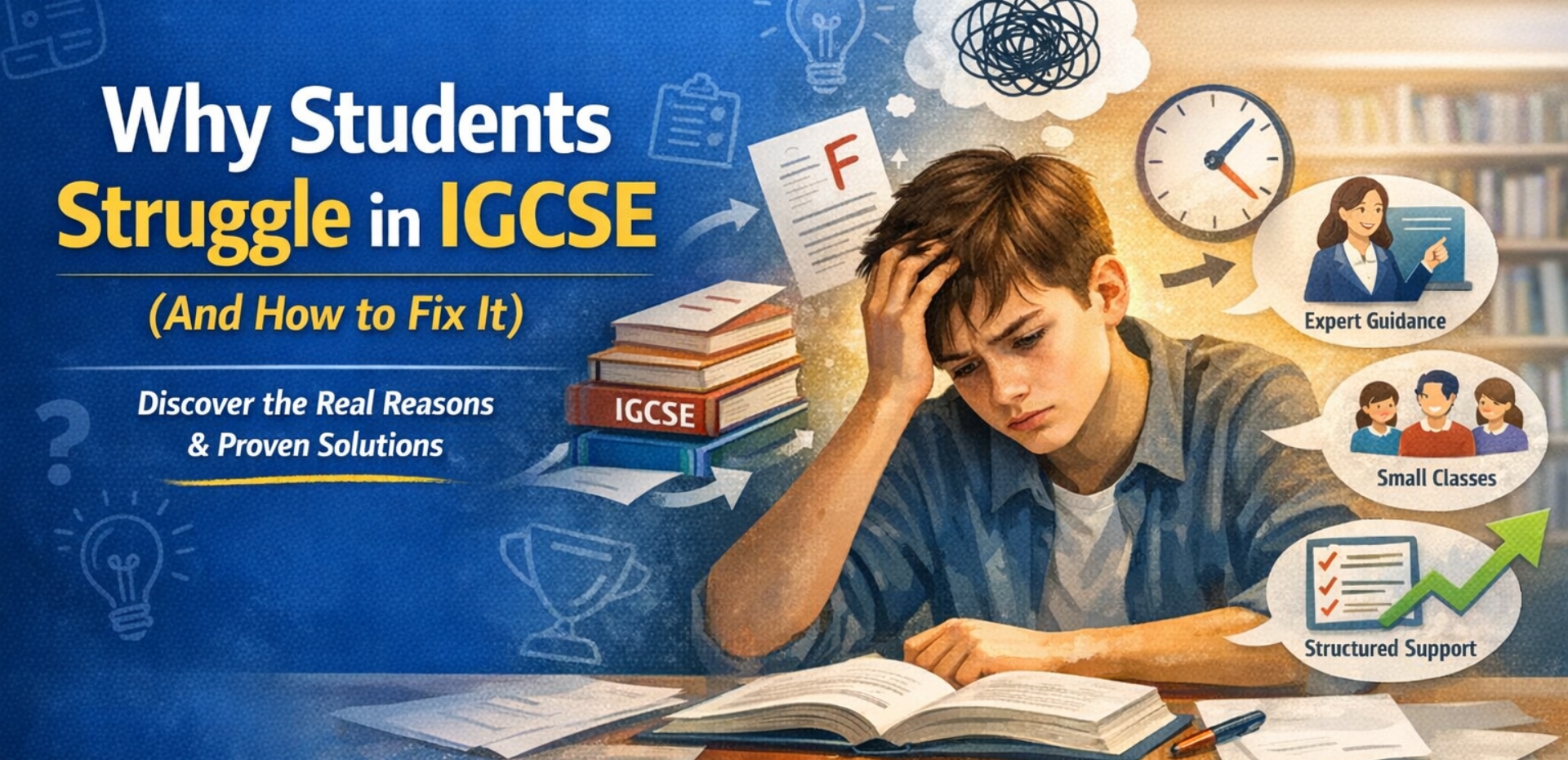
IGCSE Results Day: What Parents Should Expect

This is an excellent resource for parents to understand what to expect at IGCSE Results Day.
IGCSE results day is a mixed emotional day for many families, there is a sense of anticipation, periods of silence, nervousness, and excitement. It’s moments like this when your teen acts disinterested. Rather, they are updating the results proc at intervals of minutes and working through the various possibilities in their heads.
This is a very significant day, for your child whether they are getting results for the Cambridge IGCSE or Pearson Edexcel International GCSE. The results of the exams from the May/June series are usually available in mid-August and the results of the October/November exams are generally available in mid-January. For parents this isn’t only about the grades, it’s about futures, confidence, and supporting the next step.
The good news? It takes a lot of preparation. Parents can make a positive difference to the negative association with results day and help create a positive outcome if they can begin to understand how results are graded under the IGCSE system, what can be done next and how they can provide the correct emotional support to assist in the outcome.
Preparation and Managing Expectations Before the Day
Start Open Conversations Early
A good way of lowering the stress and anxiety of students before IGCSE results day is talking factors that are honest and calm at an early age. It is not the season for the so-called “pressure speeches” or too high standards or expectations are set.
Instead, discuss with them what actions are possible. If your child continues to do well and reaches their targets, what will happen? What if they don’t hit the target by one degree? What other options are there?
These conversations explain that having one set of results doesn’t mean it is the one and only one that they have. Most importantly it makes them feel at ease that they will get support from you even if they lose.
Know the Login Information
Be familiar with the logon information.
Memorable passwords and unassigned candidate numbers seem simple, but they are a source of undue flurry each year.
Before results day:
- Verify the information for logging in to the portal.
- Note down candidate number and centres data.
- See how results will be taken (in person or online).
- Provide stable internet connection on the day (WiFi).
Often the results are sent via the school’s official online portal to the Cambridge students, or the results might be sent directly by other centers.
Collect Data About Next Steps
Planning for that after IGCSE serves as a tool to assist in making quicker decisions when results are out after IGCSE early.
Prepare information for:
- A-Levels
- International Baccalaureate (IBDP)
- Foundation programmes
- Diploma pathways
- Vocational courses
Having brochures, entry requirements, and application deadlines available can help minimize confusion at potentially stressful times.
To Grasp the Grading System of IGCSE
The 9–1 vs. A–G Grading Scales
Sometimes it can be difficult for parents to understand the grading system of the IGCSE grades.
The A–G scale is the typical grading scale for Cambridge IGCSE exams, whereas the 9–1 scale is used by Pearson Edexcel International GCSE exams.
In simple terms:
- Grade 9 = extremely high accomplishment
- Grade 4 or 5 = pass standard
- Grade C (lower than A–G) is deemed to be a good pass.
- U = ungraded
Please note that grade boundaries can differ each year relative to the difficulty of the papers, as well as the standard of overall performance. Students will not automatically get an A or Grade 9 if they score 75 percent on their tests.
Component vs. Final Grades
Occasionally, parents may wish to have specific feedback on a paper right away. Most certificates however just reveal the final grade of syllabus.
A breakdown of the above can be given to schools later:
- Coursework
- Practical assessments
- Written exam components
Here the final grade is based on the performance in all the compulsory examination requirements.
The Big Day: Possible Outcomes and Action Plans (Help Children Build a Plan)
Scenario A: Meeting or Exceeding Expectations
This is what every pupil yearns for.
If your kid gets the grades they aimed for, have an appropriate celebration. Celebrities will recognize that the month — or years — worth of hard work that leads up to that success.
It is also at this time students are most likely to be placed in:
- A-Level programmes
- IBDP courses
- Foundation studies
- Competitive pre-university pathways
Don’t forget to talk about the lesson now that they’ve passed, but remember, enjoy the celebration first.
Scenario B: Narrowly Missing the Mark
Occasionally a student may fall back only a little behind a desired grade level. This can be devastating, particularly if there’s a requirement at University or College involved.
An Enquiry About Results (EAR), often referred to as remark/recheck, can be considered in these cases.
It should be noted, however, that:
- Grades may rise, stay the same or drop.
- There is generally a fee.
- Requests will usually be due within 1 month of the results being made available.
The ability to make a meaningful comment is often determined by a student’s history of performance and expected grades by school and teacher.
Scenario C: Falling Short of Requirements
If outcomes are much worse than would be expected, then the first step is very easy: “Don’t panic.”
There is no shortage of options.
IGCSE Retakes
Some IGCSE retakes are taken by students who wish to gain a higher grade in a subject, such as in Mathematics or English.
The Cambridge IGCSE exams are held in Malaysia twice a year:
- May/June series
- October/November series
What this means is that a student whose August results were less than satisfactory can turn around and sit the papers in the near future and will get new results at the end of January.
Ineffective structuring, bridging support, and focused academic guidance may make all the difference when revising for a retake.
Alternative Pathways
All students need not be on the same path.
Consider using any of the following instead:
- Foundation programmes
- Diplomas
- Toward technical and vocational education
- Creative industry pathways
All students feel comfortable in their learning environment (outcomes not formula-based).
Authoritative Regularly Helping Your Teen With Their Emotional Well-being
Have a Discussion About Do’s and Don’ts About Parenting
It is likely that your child will be feeling the same emotions you are on IGCSE results day.
Do:
- Be composed and supportive.
- Listen actively.
- Praise hard work, not accomplishment.
- Allow time to express those feelings.
Don’t:
- There is an opportunity for them to compare with siblings or another comparison group of classmates.
- Only consider oneself frustrated.
- Don’t delay and talk to them about the future.
- Think of the day in terms of what you would like to see happen.
Sometimes the motivation that a parent can send is simply: “Let’s do this together.”
Controlling the Social Media Influence
Results day now goes public online. Students are frequently witnessing peers getting grade posts, accepted posts, and celebration pictures posted.
Such comparative culture can worsen feelings of anxiety and discouragement.
Have your teen do:
- Take a brief break from social media browsing.
- Put attention on how they’re progressing themselves.
- Do not make a comparison with others’ results.
A single social media post can’t tell you the whole story about a student’s college journey.
Conclusion
Final day of IGCSE results is not just about knowing the grades. It isn’t just about knowing the grades on the day of IGCSE results. It’s about granting your child the sense of being supported, informed and emotionally settled no matter what happens.
Regardless of whether your teenager is performing above par, skimming off the target or requiring further assistance in retaking IGCSEs, there is always a way to achieve their goals.
In schools such as ORIENT Academy, bridging programmes, retaking academic preparation and being offered structured academic guidance allows students and parents to review the possibilities of moving forward and back up to their future goals, with the added confidence of having done it before.
Frequently Asked Questions
When is the IGCSE exam results?
IGCSE results are usually published in mid-August for the May/June examinations, and mid-January to the October/November examinations.
Is it possible for a student to take one IGCSE subject again?
Yes. Students may be allowed to repeat any item without having to repeat the package of examination items.
If my child does not achieve the Grade C / C+ in the IGCSE Maths or English should something happen?
The subject can be taken again in the subsequent sitting of the exam series or with alternative subjects substituted depending on qualification.
What are the steps to a remark in an IGC (Independent Graphics Course) diagram?
Parents/students should contact their school/exam center and provide and submit an Enquiry About Results (EAR). Subject to fees and may raise, maintain or lower grade following review.